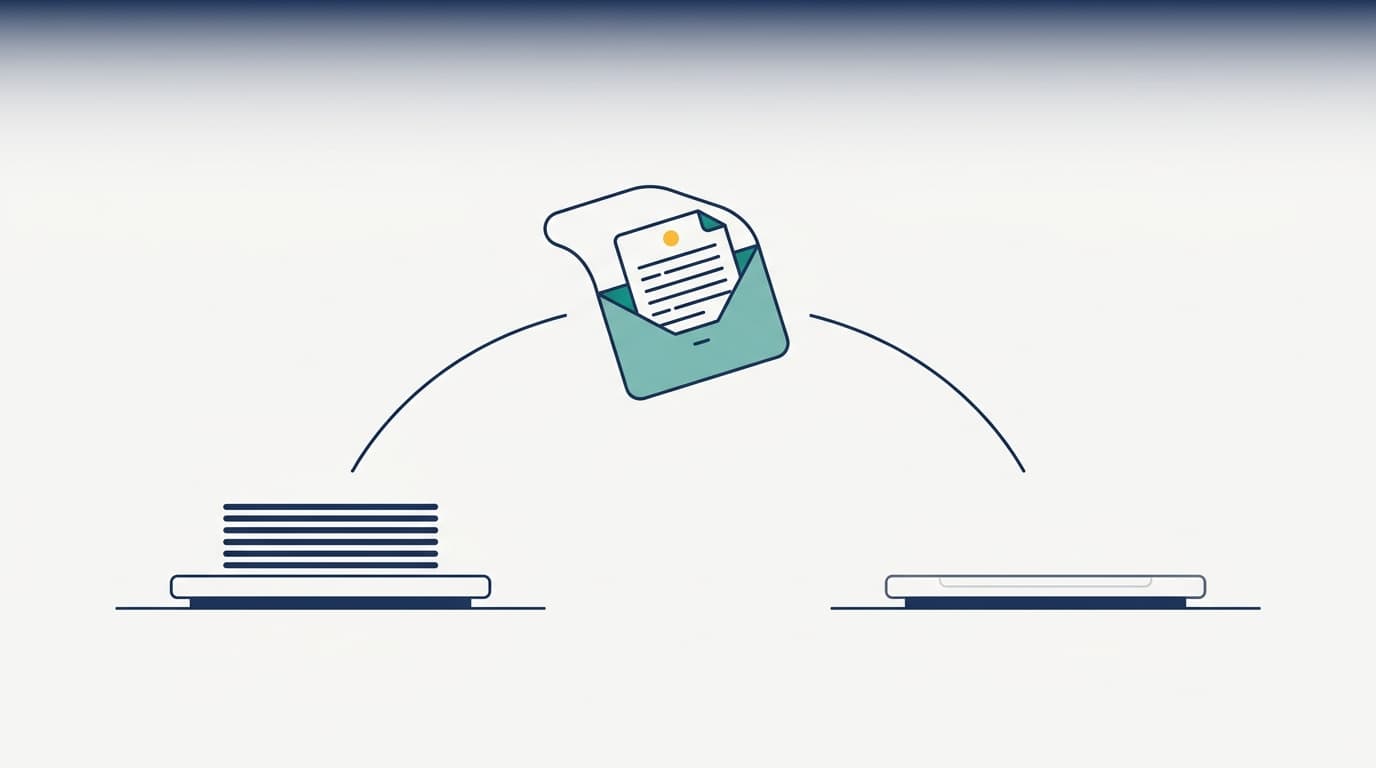
The deal closed, the AE hit their number, and now the customer expects implementation to start. Within the next 14 days, the CSM will book a kickoff call, ask the customer to repeat what they already told the AE three times during the cycle, and quietly lose 30 percent of the context that mattered. The customer notices. They start onboarding skeptical.
AE-to-CSM handoff fails because nothing structures it. Salesforce captures the deal, not the why. The AE's notes live in their inbox. The mutual action plan from late-stage diligence is in a slide that nobody opens after close. By the time the kickoff happens, the CSM rebuilds context from scratch, and customers feel the regression.
A structured handoff template captures four categories of context: customer drivers (the actual pain that triggered the buying), success criteria (what the customer's executive sponsor expects to see in 90 days), risk flags (anything the AE noticed that could blow up onboarding), and named relationships (who decides, who blocks, who champions). Every category has owner accountability.
Run the handoff as a workflow: each section assigned to the AE with a deadline, every field required, and an approval gate the CSM signs only after they have what they need. The audit trail of who confirmed what becomes the source of truth for the kickoff call. Nothing reconstructed from memory.
“Trust starts at minute one.”
With the handoff complete, the kickoff call gets its 60 minutes back. Instead of context-gathering, the CSM walks the customer through their actual implementation plan. The customer hears their drivers and success criteria reflected back accurately. Trust starts at minute one.
The most common preventable churn is the kind that starts during onboarding: a misaligned executive sponsor who never feels heard, a use case the AE oversold, a champion who left without warning. A handoff template surfaces all three before the kickoff. Late detection of any of these costs months of CSM effort.
Build the handoff once and run every deal through it. The first three handoffs feel slow. By the tenth, AEs and CSMs both prefer it because everyone knows what good handoff looks like and the kickoff conversation is dramatically easier.