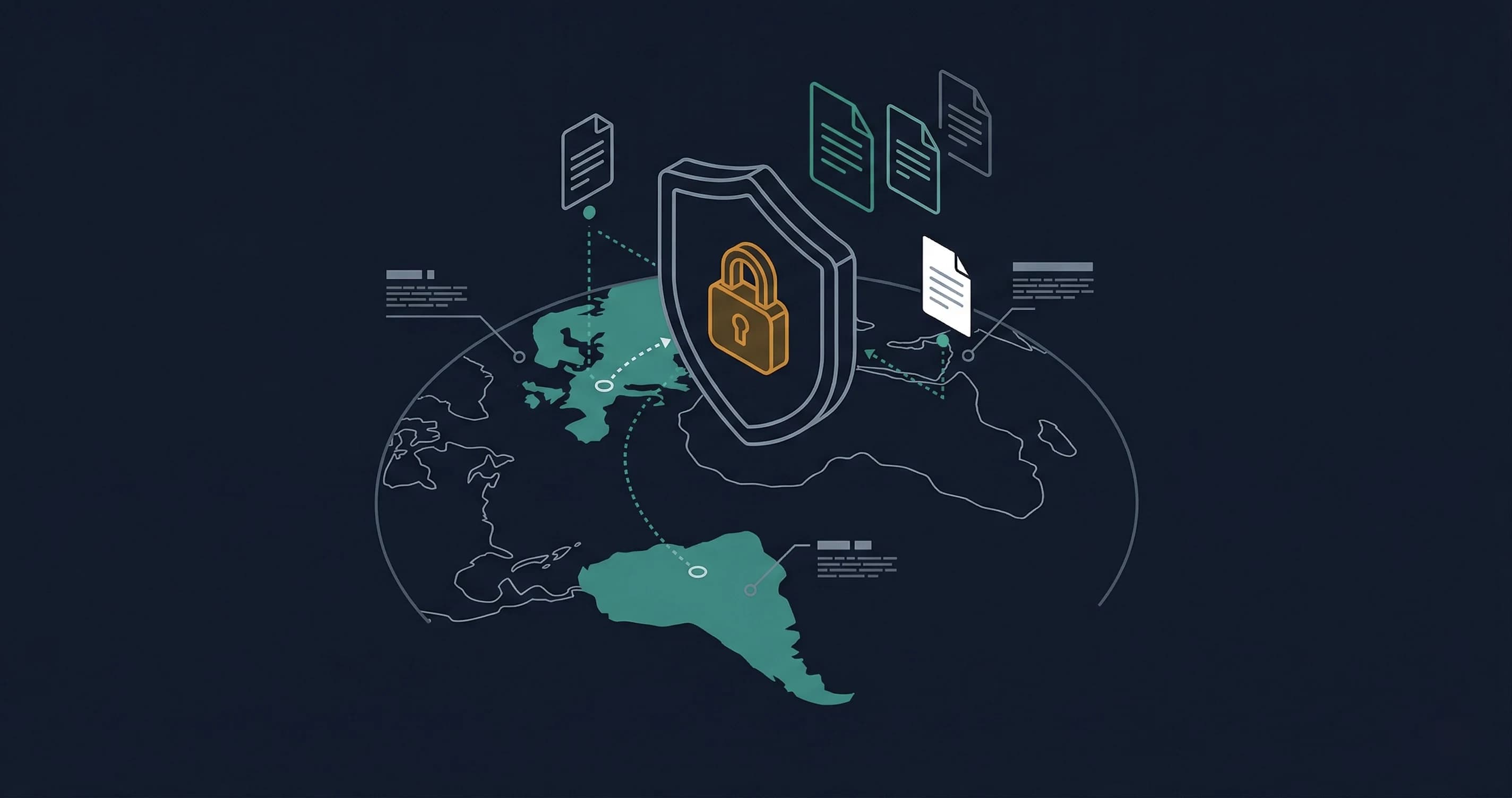
Cadenio supports privacy programs by embedding controls in execution workflows. Teams can register lawful basis and purpose in the same process where work happens, not in a separate compliance system that nobody keeps up to date.
For GDPR, this means lawful basis tracking, data subject rights workflows, and evidence retention are operational steps, not documentation exercises. For LGPD, the same logic applies: legal basis, rights handling, and incident timelines live in one auditable flow.
Rights requests need a dedicated process. Not a ticket, not an email thread, a process. Intake, identity check, legal review, technical execution, closure evidence. Each step has an owner and a deadline. Missing any of them creates the exact kind of SLA failure that regulators notice.
Retention is where most programs break down. The policy exists. The operational process that reviews what's due for disposal, generates evidence of that review, and produces a traceable record, that part often doesn't exist. Every workflow handling personal data needs disposal and review tasks with clear owners.
Incident response involving personal data has two clocks running simultaneously: the operational one and the regulatory one. Response workflows must include legal review timing, regulatory notification checkpoints, and post-incident evidence packaging. All three. In one place.
Cadenio provides the technical and operational controls. Final compliance still depends on organizational governance, legal interpretation, and proper configuration on your end. The tool doesn't replace judgment, it makes the execution of that judgment visible and auditable.